
Turn Your Car Park Into a
Revenue-Generating Asset
Future-proof EV charging infrastructure that pays for itself through user fees and VPP grid services. Zero upfront cost
The Electric Transition Is Happening Now
The Business Case:
87% of employees want workplace EV charging
EV drivers spend 23% more at retail locations with charging
Public charging generates $2,000-$15,000+ revenue per charger annually
Government incentives cover up to 50% of installation costs
Property values increase 3-5% with EV charging infrastructure
Kto ceni różnorodność, szybkość i bezpieczeństwo, znajdzie to wszystko w milioner casino. Warunki bonusowe są jasno sformułowane i nie zawierają ukrytych klauzul. Galeria Mistrzów uhonorowuje najbardziej udanych graczy miesiąca. Program VIP podzielony jest na kilka poziomów i nagradza długofalową aktywność na platformie. Gry z mechaniką Hold-and-Win zajmują istotne miejsce w aktualnym portfolio. Przełączniki językowe pozwalają na szybką zmianę między polskim a innymi językami. Obszar live casino jest przejrzyście uporządkowany i można sortować według rodzaju gry i dostawcy. Przeliczenia walutowe przy wpłatach w obcej walucie są rozliczane przejrzyście po aktualnym kursie rynkowym. Kto ceni długoterminową jakość, znajduje tu niezawodnego partnera.
The Problem You Face
Your Competitors Are Getting Ahead While You Fall Behind
Employee Demands:
EV drivers switching jobs for workplace charging access
Recruitment advantage for employers with charging
Productivity loss from employees leaving to charge elsewhere
Revenue Missed:
Public charging stations earn $3,000-$12,000+ per charger annually
Customer dwell time increases 45 minutes at charging locations
Premium parking rates justified with charging included
The Zool EV Solution
Complete EV Charging Solutions That Generate Revenue
+ VPP Income
Charging Technology Options:
AC Charging (7kW-22kW):
Best For: Employee/Fleet charging (2-8 hour sessions)
Cost Per Session: $8-$25 (competitive with home charging)
VPP Integration: Smart charging optimizes grid services
Revenue: $1,500-$4,000 per charger annually + VPP income
DC Fast Charging(50kW-350kW):
Best For: Customer/Public charging (20-45 minute sessions)
Cost Per Session: $15-$60 (premium pricing justified)
VPP Integration: High-power grid services during idle periods
Revenue: 8,000-$25,000 per charger annually + VPP income
Employee/Fleet Charging (AC):
Monthly Subscriptions: $50-$150/month unlimited
Pay-per-Session: $0.35-$0.50/kWh
VPP Revenue: Smart charging provides grid services during off-peak
Total Revenue: Charging fees + VPP income + premium parking
Public/Customer Charging (DC):
Premium Pricing: $0.60-$0.90/kWh (2-3x home rates)
Session Fees: $3-$5 connection fee
VPP Revenue: Idle chargers participate in FCAS markets
Total Revenue: Charging fees + VPP services + increased customer spend
Revenue Projections by Location
Shopping Centers:
4 × 50kW DC chargers with VPP integration
Charging revenue: $35,000 -$65,000/year
VPP revenue: $8,000-$15,000/year
Customer spend increase: +$150,000/year
Total benefit: $193,000-$230,000/year
Office Buildings:
10 × 11kW AC chargers with smart charging
Subscription revenue: $25,000-$40,000/year
VPP revenue: $3,000-$8,000/year
Employee retention value: Priceless
Total benefit: $28,000-$48,000/year
Solar-Powered Charging:
Charge EVs directly from on-site solar during peak sun hours
Export excess solar to VPP markets when charging demand is low
Market as "100% clean charging" for premium positioning
Battery-Buffered Charging:
Battery storage prevents demand charge spikes from fast charging
Batteries participate in VPP markets when not supporting charging
Enables high-power DC charging without electrical upgrades
VPP-Enabled Smart Charging:
EV chargers participate in demand response programs
Smart algorithms delay charging during high VPP price periods
Earn revenue from grid services while vehicles charge
Case Study: Shopping Center Chain
Challenge: Declining foot traffic and customer complaints about lack of EV charging
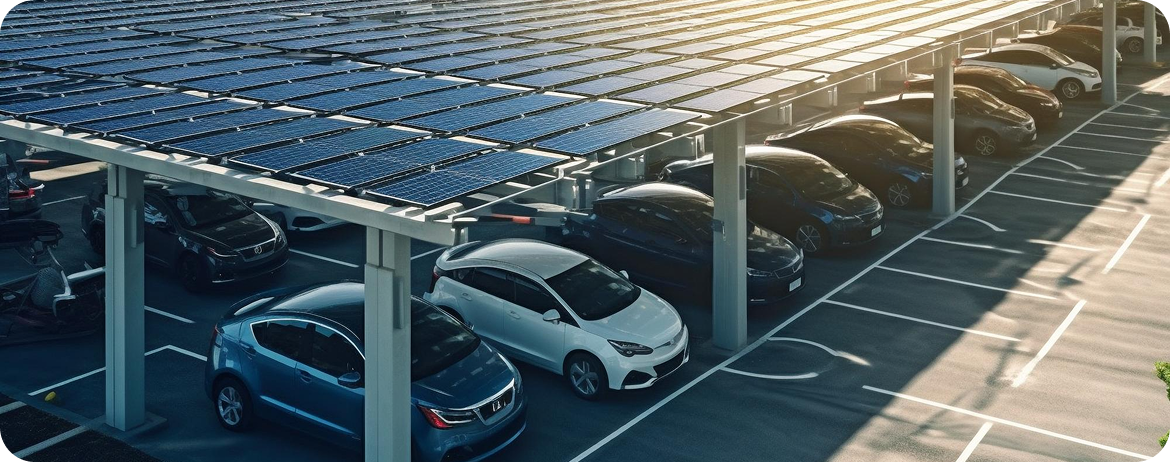
Solution: 8 × 50kW DC fast chargers with solar canopies and VPP integration Investment: $0 upfront (Total Care model)
Results:
$52,000 annual charging revenue
$12,000 annual VPP revenue from smart charging optimization
28% increase in customer dwell time
$180,000 increase in retail spending attributed to EV drivers
Total benefit: $244,000/year from EV + customer behavior changes
“The EV chargers with VPP integration transformed our center. Customers love the convenience, we love the revenue, and the VPP income is bonus profit.”
- Center Manager
Free EV Charging Assessment:
Site electrical capacity evaluation
Traffic pattern and utilization modeling
Revenue projection analysis including VPP potential
Government incentive identification
Total Care vs purchase comparison